

Why Is Your Skin Oily But Dehydrated As Well?
Dealing with shine, tightness, and unexpected breakouts all at once? Let’s balance the scales.
If your skin feels oily on the surface but simultaneously tight, dull, or easily irritated underneath, your skin may actually be severely dehydrated.
This is an incredibly common challenge with oily and acne-prone skin types. Often, the instinct is to reach for harsh cleansers, strong acne treatments, or intense exfoliation to strip away shine. However, these aggressive routines can weaken the skin barrier, stripping away crucial moisture and triggering an unexpected counter-reaction.
When the skin becomes dehydrated, it frequently produces even more oil to compensate for the loss of water. This creates an exhausting, uncomfortable cycle of oily yet dehydrated skin.
Key Takeaways
- Oily skin is a genetic skin type (sebum-rich), while dehydrated skin is a temporary skin condition (lacking water).
- Stripping natural oils with harsh ingredients causes water loss, prompting the skin to produce even more oil.
- Dehydrated oily skin often presents with surface shine alongside localized flaking, tightness, or dullness.
- The path to balance involves using non-stripping cleansers, lightweight water-based humectants, and barrier-replenishing creams.
- Using a lightweight, multi-tasking moisturizer like a water cream keeps oil-prone skin soft and hydrated without clogging pores.
In This Article
- Oily Skin vs. Dehydrated Skin: What’s the Difference?
- Signs Your Oily Skin May Be Dehydrated
- How Over-Stripping Triggers More Oil Production
- Common Habits That Dehydrate Oily Skin
- How to Hydrate Oily Skin Without Feeling Greasy
- Ingredients That Help Dehydrated Oily Skin
- A Simple Routine for Dehydrated Oily Skin
- Frequently Asked Questions
- Final Thoughts
- Shop VO Beauty's Hydration Selections
Oily Skin vs. Dehydrated Skin: What’s the Difference?
Oily skin and dehydrated skin are fundamentally different phenomena in the dermatology space.
Oily skin is a genetic skin type characterized by overactive sebaceous glands that produce excess sebum (oil). This type is heavily influenced by genetics, hormones, climate, and lifestyle factors.
Dehydrated skin is a passing skin condition defined by a lack of water (hydration) in the stratum corneum*. Because it is a condition, any skin type can experience it, including naturally oily and acne-prone skin.
As a holistic aesthetician, this is the most common diagnostic mix-up I see in the treatment room. Clients look at their skin, see a shiny surface, and assume their skin is double-hydrated, when in reality, the barrier underneath is highly stressed and starved of water!
*Stratum corneum - the outermost layer of the epidermis, composed of flattened dead cells called corneocytes, which provides a physical barrier against pathogens and water loss.
Signs Your Oily Skin May Be Dehydrated
Because the symptoms of oily and dehydrated skin overlap, the condition is frequently misdiagnosed. Look out for these telltale signs that your oily skin is crying out for hydration:
- An uncomfortable feeling of tightness right after washing your face.
- Your skin becomes excessively oily again very quickly after cleansing.
- Flaky, rough, or textured patches, particularly around the nose or chin.
- A dull, exhausted complexion despite the presence of surface shine.
- Foundations and makeup separating, looking patchy, or wearing off quickly during the day.
- Increased skin reactivity, redness, or unexplained sensitivity.
- Congested, clogged pores coupled with red, irritated skin.
The standard mistake is treating these signs with stronger clarifying products, which only exacerbates the underlying barrier distress.
How Over-Stripping Triggers More Oil Production
Standard beauty marketing often directs oily-skinned individuals toward alcohol-based toners, foaming cleansers, and strong chemical acids. While these dry out excess oil instantly, they also compromise the skin barrier.
Once the delicate lipid barrier is stripped of its essential oils and water, its moisture-retention capability drops drastically. In a desperate attempt to protect itself and keep external pathogens out, the skin overcompensates by ramping up natural sebum production. This is known as reactive seborrhea.
This triggers a frustrating loop:
- Your skin feels greasy, so you use aggressive stripping agents.
- The skin barrier becomes dehydrated and deeply vulnerable.
- Your epidermal signaling pathways trigger the sebaceous glands to produce even more oil.
- Breakouts and inflammation increase, tempting you to strip the skin further.
True skin health relies on balance, not absolute dryness.
Common Habits That Dehydrate Oily Skin
Some of the most well-intentioned habits can cause severe dehydration when overdone. Click below to expand and discover the habits that may be quietly stressing your skin barrier:
1. Over-Cleansing and Strip Cleansing
2. Skipping Your Daily Moisturizer
3. Using Strong Acne Treatments Every Day
4. Excessive Exfoliation
5. Washing with Hot Water
How to Hydrate Oily Skin Without Feeling Greasy
Addressing dehydrated oily skin isn't about applying heavy creams. Instead, the focus should be on flooding the skin with lightweight, bio-compatible water humectants while supporting the lipid barrier with lightweight emollients.
1. Opt for Sulfate-Free, Gentle Cleansers
Swap out drying, high-foaming cleansers for formulas that wash away daily contaminants and excess oil without pulling moisture out of the physical skin barrier. Your skin should feel soft, calm, and plump post-cleansing, not tight or "squeaky clean."
2. Layer Hydrating Water Serums
A water-based serum is a highly efficient way to increase your skin's moisture content without adding heavy oils. Lightweight humectants bind water molecules to skin tissue, plumping skin cells from within and leaving a fresh, weightless finish.
3. Always Lock It In with a Lightweight Moisturizer
A lightweight, non-comedogenic moisturizer acts as a protective shield, locking in serum hydration while keeping the skin barrier comfortable. Look for fluid creams that reinforce oil-balance properties while repairing hydration reservoirs.
4. Deliver Dedicated Barrier Repair
If your skin has been stripped by over-exfoliation or harsh products, introduce barrier creams rich in lipids like ceramides. They help seal micro-cracks in the outer barrier, reducing inflammation and preventing moisture escape.
5. Maintain Daily UV Protection
UV radiation worsens barrier damage, speeds up water evaporation, and triggers inflammatory acne flares. Use a lightweight, breathable mineral or organic SPF everyday to protect your barrier.
🧬 Hero Ingredients for Dehydrated Oily Skin

When selecting skincare products, look for bio-friendly, lightweight ingredients that actively restore and protect the skin's delicate moisture barrier:
💧 Key Actives & Benefits
- Hyaluronic Acid: A powerhouse humectant that attracts and locks in up to $1000$ times its weight in water, providing immediate, weightless hydration to parched skin cells.
- Niacinamide (Vitamin B3): Offers multi-benefit oil regulation, calms redness, reduces blemish-related inflammation, and works to strengthen the physical skin barrier.
- Ceramides: Natural lipid structures that work like mortar between brick-like skin cells, patching up gaps in a damaged skin barrier to prevent trans-epidermal water loss.
- Panthenol (Pro-Vitamin B5): An effective soothing agent and humectant that reduces initial skin redness, heals micro-tears, and helps soothe dryness-induced skin tightness.
- Glycerin: A highly compatible, time-tested humectant that draws external moisture into the skin while sustaining essential lipid flexibility.
A Simple Routine for Dehydrated Oily Skin
A balanced skincare approach doesn't require a ten-step process. In fact, a streamlined routine is highly recommended for restoring barrier balance:
🌤️ Morning Routine
- Gentle Skin: Hydration Milk Cleanser: Cleanse with lukewarm water or a very mild, non-stripping cleanser.
- Skin Water Serum: Apply a concentrated, oil-free hydrating water serum to wet skin.
- Niacinamide Water Cream: Apply a fast-absorbing, lightweight water cream.
- Protect: Finish with a broad-spectrum, non-comedogenic SPF.
🌙 Evening Routine
- Rise & Shine Cleanser: Cleanse with a mild, barrier-supportive gel cleanser.
- Skin Water Serum: Apply your water-based humectant serum.
- Barrier Cream: Apply a lightweight moisturizer or ceramide barrier cream to rebuild and soothe skin overnight.
Oily & Dehydrated Skin Frequently Asked Questions
No, as long as you select non-comedogenic, lightweight water-based formulas. Providing adequate hydration can actually calm breakouts by reducing reactive sebum overproduction.
Yes, but use it with caution. Reduce application to once or twice a week, and always layer a lightweight hydrating serum or water cream immediately afterward to prevent barrier stress.
With a gentle, barrier-focused hydration routine, you can begin to notice improved skin pliability and comfort within $7$ to $14$ days, with full barrier resilience returning over several weeks.
Final Thoughts
Oily skin is not always over-moisturized. In many cases, it is actually dehydrated, overworked, and stressed. When the skin barrier becomes compromised, the skin responds by cranking up oil production, making harsh skincare routines counterproductive.
The goal is not to strip away every trace of oil. The goal is to support balanced skin that feels comfortable, hydrated, and calm. Sometimes, the solution for oily skin is not stronger clarifying products, but better hydration and thorough barrier support.
Shop VO Beauty's Hydration Selections
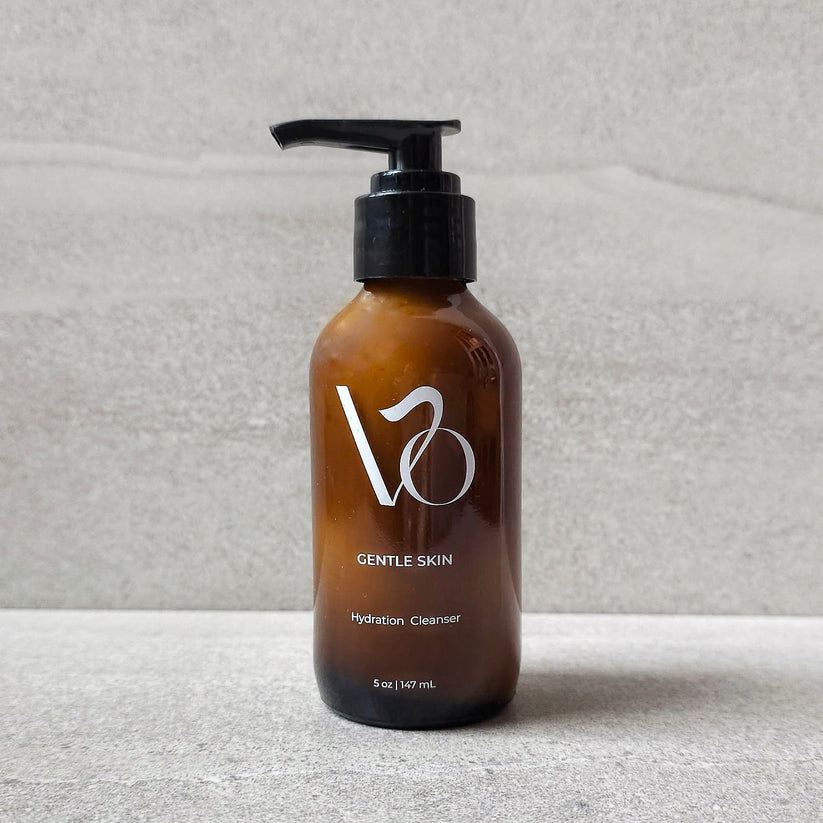
GENTLE SKIN: Hydration Milk Cleanser
Wash away daily oils and impurities without stripping your barrier. Formulated with Panthenol and Oat Protein to prevent post-cleansing tightness.
Shop Now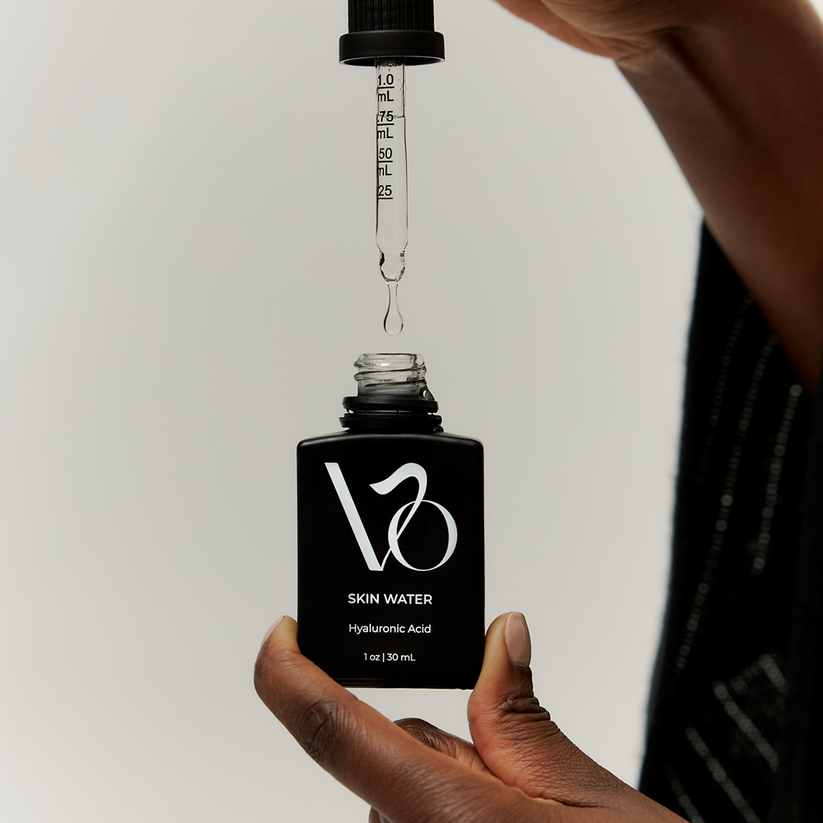
SKIN WATER: 2% Hyaluronic Acid Serum
A lightweight, water-based serum designed to deliver immediate hydration without heavy oils. Perfect for plumping dehydrated, acne-prone skin.
Shop Now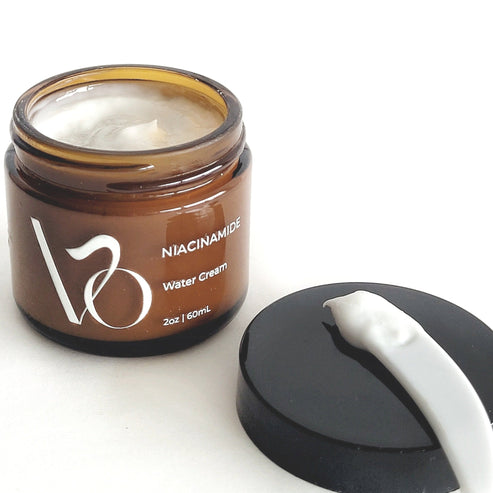
Niacinamide: Water Cream
A lightweight, oil-balancing moisturizer designed to hydrate, calm, and smooth without clogging pores or feeling greasy.
Shop Now
RISE + SHINE: Gel Cleanser
A sulphate-free gel cleanser for oily skin and an effective cleansing gel that removes dirt, bacteria, sunscreen, and excess oil—without dryness or irritation.
Shop Now
BARRIER CREAM: Ceramides + Blueberry
Formulated with targeted ceramides and calming hydrators. Rebuilds stripped, sensitive skin and prevents water loss.
Shop Now