

If your skin suddenly feels tight, red, or stings when you apply products, your skin barrier may be damaged. As a holistic aesthetician and product formulator, this is something I often notice during facials, especially when clients have been trying too many products at home.
The good news is your skin can recover, and you do not need a complicated skin care routine to fix it. In fact, I made a simple 3-step rescue plan that focuses on cleansing, hydrating, and repairing the skin.
Key Takeaways
- Your skin barrier is the outer protective layer of your skin. When damaged, you may experience dryness, redness, breakouts, or stinging.
- Over-exfoliating, harsh cleansers, strong actives, and layering too many products are common causes of barrier damage.
- A "less is more" approach works best. Go back to basics for at least 2 to 3 weeks.
- Follow a simple 3-step routine: gentle cleanse, hydrate on damp skin, then repair and seal with a barrier-focused moisturizer.
- Avoid retinol, exfoliants, strong acids, and scrubs until your barrier fully recovers.
- Most people feel relief within a few days, with full repair taking a few weeks.
In This Article

What Is the Skin Barrier
Your skin barrier is the outer layer of your skin. It protects you from irritation, pollution, and moisture loss. When it is healthy, your skin feels smooth, calm, and hydrated.
When it is damaged, you may notice dryness, redness, breakouts, or a burning feeling. Even products you used before can start to sting.

How the Barrier Gets Damaged
Most of the time, it comes from doing too much.
Over-exfoliating, using strong actives too often, or layering too many products can weaken the skin. Even harsh cleansers or skipping moisturizer can affect your barrier over time.
Sometimes weather changes, stress, or lack of sleep can make it worse.
The Less Is More Approach
When your skin barrier is damaged, your goal is not to fix everything at once. Your goal is to calm the skin and support repair.
This is where a simple routine works best. I always tell my clients to go back to basics for at least 2 to 3 weeks.
To help your skin recover, I always go back to a simple routine that focuses on repair, not overload.
A Simple Routine to Repair and Rebuild Your Skin Barrier
When your skin barrier is compromised, the goal isn't to do more, it's to do the right things, consistently. Think of this routine as a way to restore balance, replenish hydration, and give your skin the conditions it needs to repair itself.
Step 1: Cleanse Gently, Without Disruption
Cleansing should remove buildup without disturbing what your skin is trying to rebuild. When the barrier is weakened, harsh surfactants or over-cleansing can prolong irritation and dryness.
Using a gentle, cream-based cleanser like the Gentle Skin Hydration Milk Cleanser helps lift away impurities while supporting the skin with ingredients like pea protein and panthenol, which help maintain softness and reduce tightness. Skin should feel calm, clean and comfortable, not stripped.
Step 2: Hydrate While Skin Is Still Damp
Hydration is what restores flexibility and comfort to the skin. Applying your serum onto damp skin helps draw water into the skin and improves absorption.
A formula like Skin Water (2% Hyaluronic Acid Serum) uses low molecular hyaluronic acid to penetrate beyond the surface, helping bind water within the skin rather than sitting on top. This step is key for reducing that tight, dehydrated feeling and supporting a smoother, more resilient texture over time.
Step 3: Repair, Seal, and Protect
Once hydration is in, the next step is to lock it in and support the barrier structure itself.
In the morning, a barrier-focused moisturizer like the Barrier Cream (Ceramides + Blueberry) helps reinforce the skin with ceramides, while calming ingredients like beta-glucan and reishi help reduce visible redness and sensitivity. Follow with a broad-spectrum SPF to protect your skin from UV damage, which can slow down barrier recovery.
At night, skin naturally shifts into repair mode. Applying the Beauty Sleep Mask as your final step creates a nourishing layer with ingredients like aloe, glycerin, and royal jelly to support overnight recovery. This helps minimize moisture loss while calming the skin, so you wake up feeling more balanced and hydrated.
☀️ AM Routine
- Gentle Skin Hydration Milk Cleanser
- Skin Water (on damp skin)
- Barrier Cream
- SPF
🌙 PM Routine
- Gentle Skin Hydration Milk Cleanser
- Skin Water (on damp skin)
- Beauty Sleep Mask
What to Avoid During Recovery
Keep things simple. Avoid exfoliants, strong acids, and retinol for now. Skip scrubs and anything that makes your skin feel tingly or tight.
Do not switch products too often. Consistency is what helps your skin heal.
How Long Does It Take to Repair
Most people start to feel relief within a few days. Full repair can take a few weeks depending on how damaged the barrier is.
You will notice your skin feels less tight, looks calmer, and becomes more hydrated.
Final Tip From an Esthetician
💡 Remember This
When your skin is struggling, it is not asking for more products. It is asking for care.
Stick to a gentle routine, be patient, and let your skin do what it is designed to do. Healing takes time, but with the right steps, your skin will come back stronger, calmer, and more balanced.
Shop the Skin Saving Collection
Everything you need to repair and protect your skin barrier.
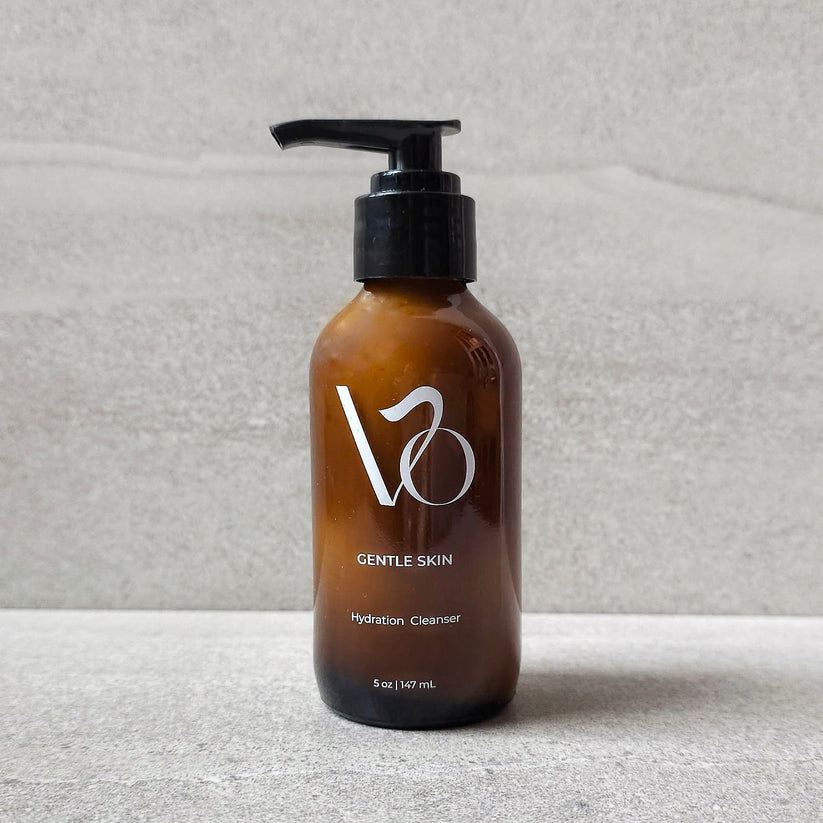
Gentle Skin Hydration Milk Cleanser
A cream-based cleanser with pea protein and panthenol to gently cleanse without stripping.
Shop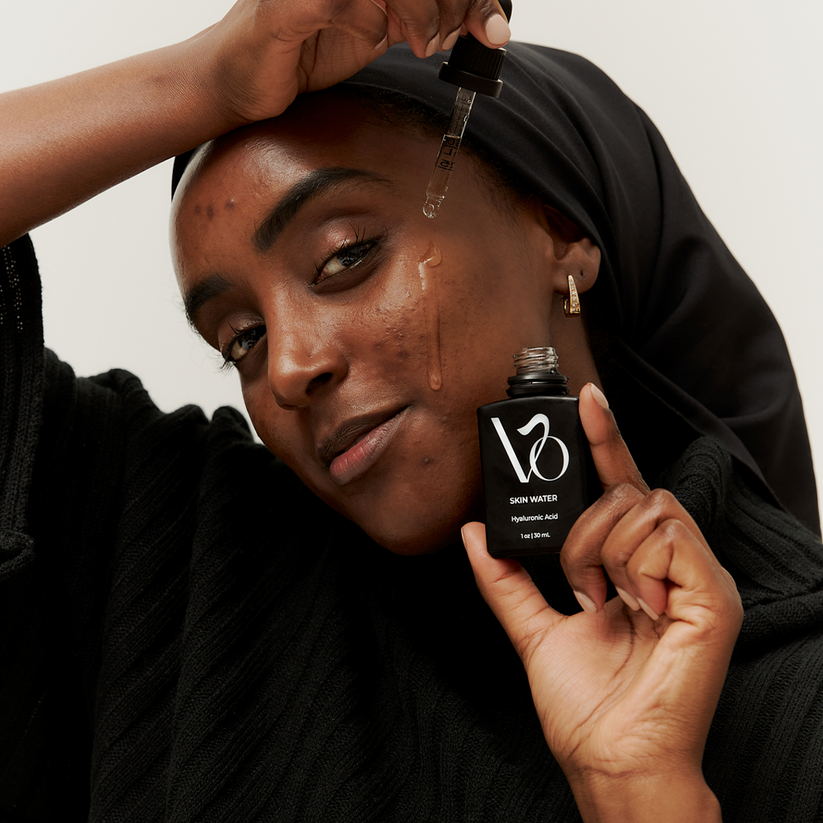
Skin Water — 2% Hyaluronic Acid Serum
Low molecular hyaluronic acid serum that deeply hydrates and restores skin comfort.
Shop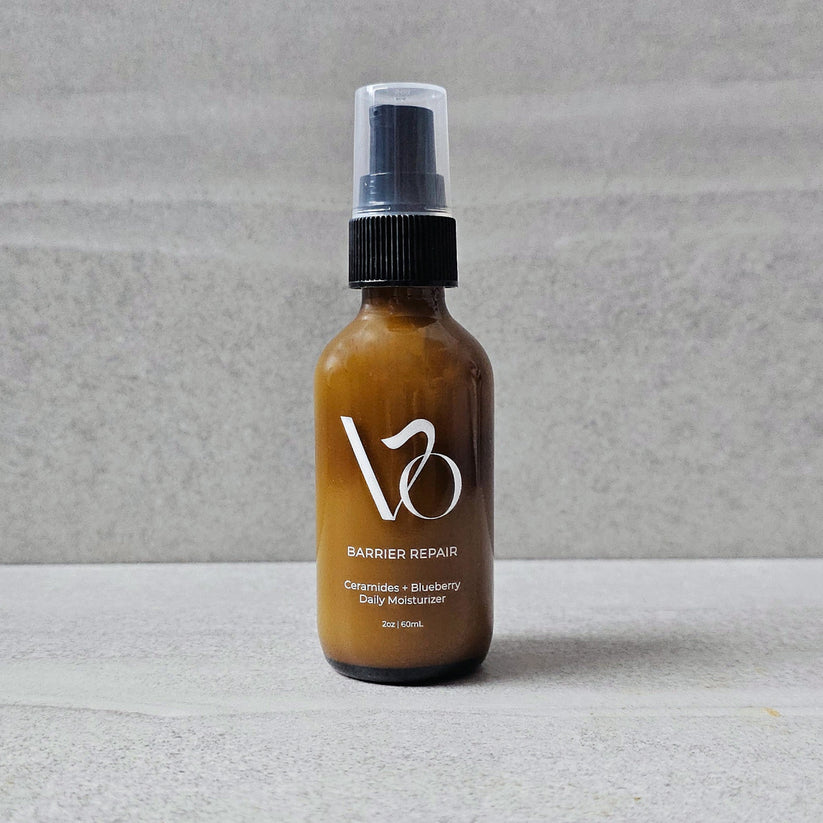
Barrier Cream — Ceramides + Blueberry
Ceramide-rich moisturizer with beta-glucan and reishi to calm and reinforce your barrier.
Shop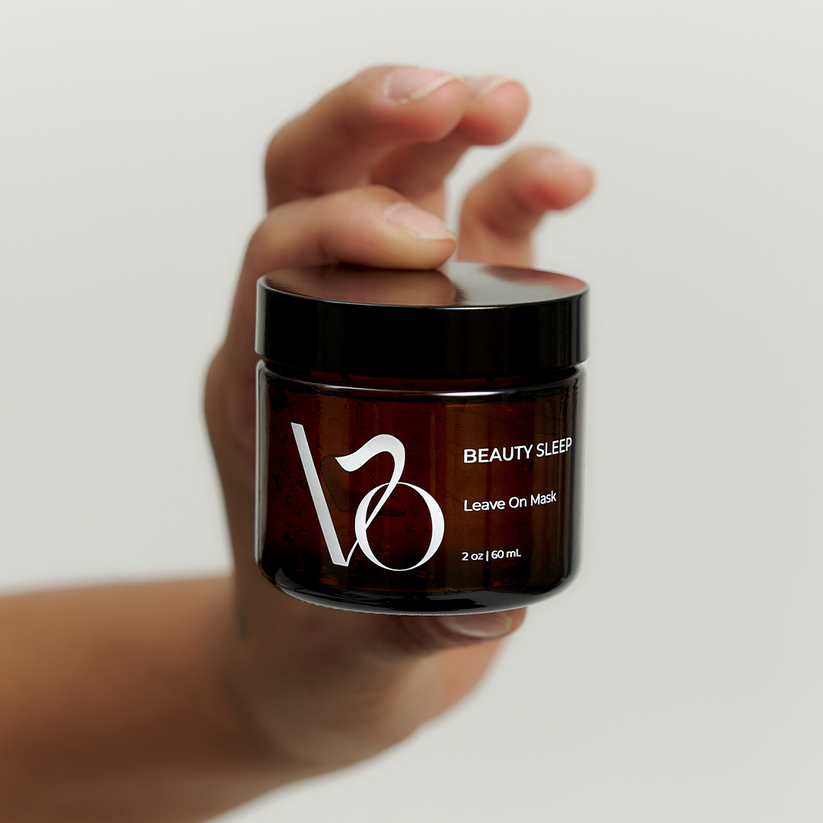
Beauty Sleep Mask
Overnight nourishing mask with aloe, glycerin, and royal jelly for deep recovery.
ShoP